
How to Vet Any Ayurvedic Product for Purity Before You Buy
To choose safe, pure Ayurvedic skincare, run every product through one short checklist: look for independent third-party testing for contaminants, a recognized organic certification from an accredited body, a transparent full ingredient list, traceable sourcing, and genuine depth of practice behind the brand. No authority checks these products for you before they reach the shelf, so the judgment falls to you. The good news is that the checklist takes no chemistry degree.
You have done the reading. You know the questions about heavy metals, about quality control, about the gap between a beautiful label and what is actually inside. And somewhere in that research you may have realized something slightly uncomfortable: no authority is checking these products for you before they reach the shelf. The burden of judgment falls on the buyer, which means it falls on you.
That sounds daunting until you have a method, and a method is exactly what this is. Vetting an Ayurvedic product takes no chemistry degree. It takes a short, repeatable checklist and the confidence to walk away from anything that cannot answer it. Here is how to assess any Ayurvedic brand for purity before you spend a cent, and how to tell an ally from a label.
Why does the burden of vetting fall on you?
It helps to understand the landscape you are shopping in. No central authority evaluates Ayurvedic and botanical skincare products for safety before sale the way one evaluates prescription medicines, and quality varies enormously from one maker to the next. That is not a reason for fear, but it is a reason for diligence. The good news is that responsible brands welcome scrutiny, because scrutiny is exactly what separates them from the products hoping you will not look too closely. Your questions are not rude. They are the whole point.
No authority reviews Ayurvedic or botanical skincare for safety before it reaches the shelf the way prescription medicines are reviewed, so the judgment falls to the buyer. That is not cause for alarm, it is cause for a method, because responsible brands welcome the same scrutiny that separates them from the rest.
How do you check a brand's testing?
Start with testing, because it speaks most directly to safety. The meaningful standard is independent, third-party testing, where an outside lab screens products for contaminants such as heavy metals rather than the brand simply vouching for itself. When a brand mentions testing, look for specifics: what is tested, by whom, and whether results are verifiable. Vague reassurance is not the same as a testing protocol. This matters most for anything ingested, and far less for topical skincare, a distinction we unpack in our piece on where the real heavy-metal risk lives. For any product, though, a brand that can speak concretely about testing has told you something a vague one cannot.
The testing that matters is independent, third-party screening for contaminants such as heavy metals, described specifically: what is tested, by whom, and whether the results are verifiable. This scrutiny matters most for anything ingested and far less for topical skincare, yet a brand that can speak concretely about testing has still told you something a vague one cannot.
Which certifications actually mean something?
Certifications are the next filter, and they cut through a great deal of marketing noise. A recognized organic certification, awarded by an accredited body, sets verifiable standards for how ingredients are grown and handled. That differs sharply from natural-sounding language, words like pure, clean, or botanical, which any brand can print because they mean nothing in particular. Look for the certification mark and the body behind it. Real certification is earned and auditable. Marketing language is simply chosen.
A certification means something only when a recognized organic standard is awarded by an accredited body and is auditable, unlike natural-sounding words such as pure, clean, or botanical, which any brand can print. Look for the certification mark and the body behind it, because real certification is earned while marketing language is simply chosen.
How do you read an ingredient label like a literate buyer?
The ingredient list rewards a careful read. A transparent product lists its full ingredients, names its botanicals clearly, and reflects a considered formulation rather than a single celebrated herb floating in an otherwise generic or synthetic base. If the front of the package shouts one hero ingredient while the list reveals it sitting near the bottom, you are looking at a product built for marketing more than for the skin. We go deeper on spotting this pattern in our piece on telling real Ayurveda from "Ayurvedic washing". Ingredient literacy is a skill that pays for itself every time you shop.
A transparent ingredient label lists everything in the formula, names its botanicals clearly, and reflects a considered formulation rather than one celebrated herb floating in an otherwise generic base. When the front of the package shouts a hero ingredient that the list reveals near the bottom, the product was built for marketing more than for skin.
How do you check sourcing and provenance?
Finally, ask where the ingredients come from. A brand with genuine provenance can tell you, because it knows its supply chain and is proud of it. Traceable sourcing, named origins, and a real relationship to where botanicals are grown all signal a maker that takes its inputs seriously. A brand that cannot or will not say where its ingredients come from has answered your question by avoiding it.
A brand with genuine provenance can tell you where its botanicals are grown, because it knows its supply chain and is proud of it. Traceable sourcing and named origins signal a maker that takes its inputs seriously, while a brand that will not say where its ingredients come from has answered you by avoiding the question.
A Quick Pre-Purchase Checklist
Condensed to what you can run through in a minute: Is there specific, ideally third-party, testing rather than vague reassurance? Is there a recognized organic certification rather than natural-sounding language? Does the full ingredient list reflect a real formulation rather than a token herb? Can the brand tell you where its botanicals are sourced? And is there genuine depth of practice behind the brand rather than a recent arrival to a trending word? A brand that clears all five has earned a closer look. One that stumbles on several has told you what you need to know.
What does a brand with nothing to hide look like?
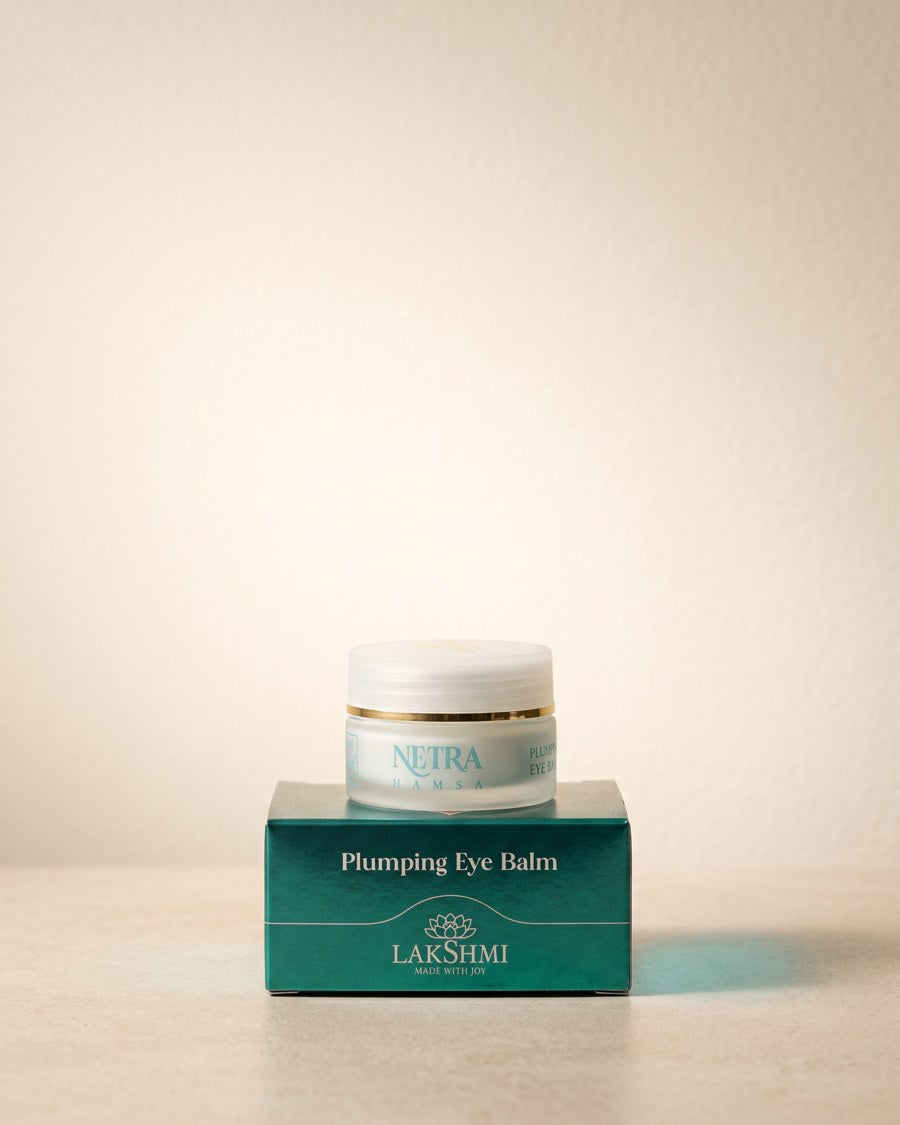
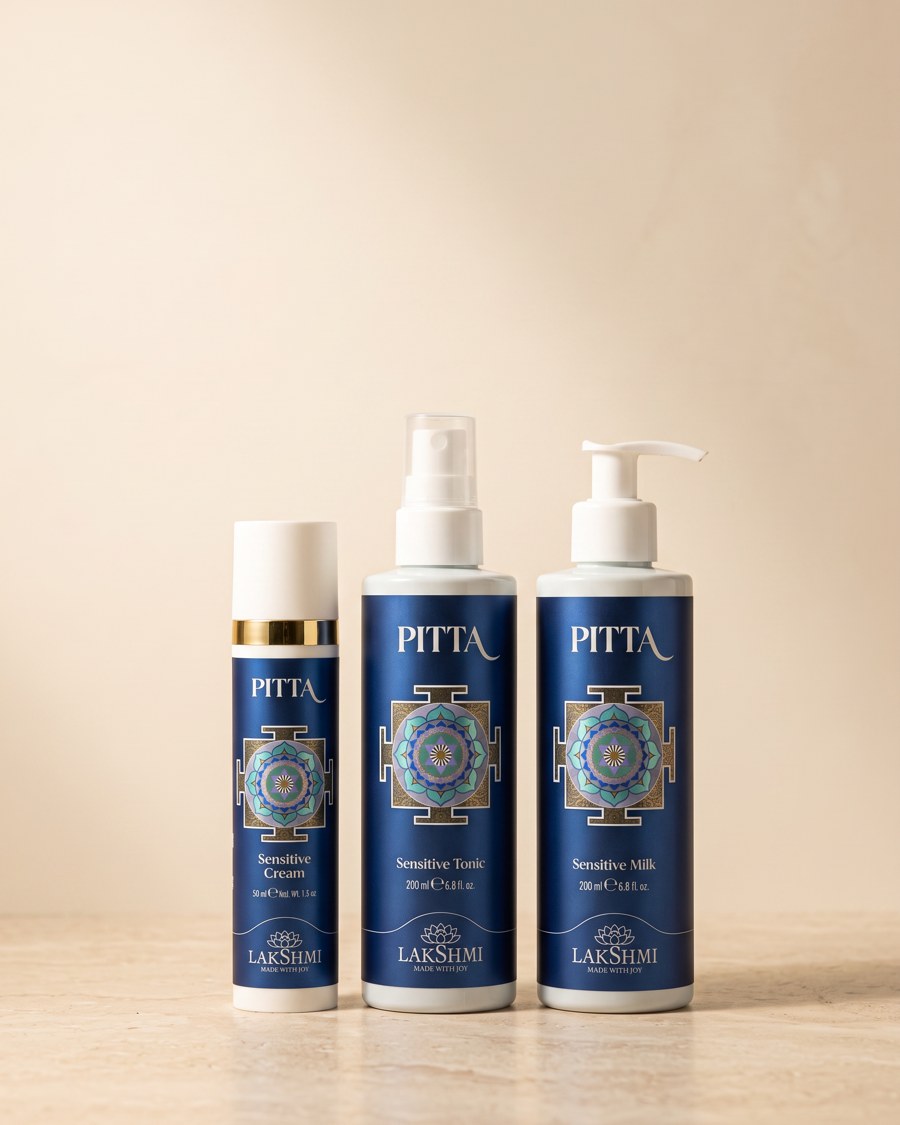
The reason to lay all of this out is to put the power in your hands, and to show what a brand looks like when it has nothing to hide. Lakshmi welcomes exactly these questions, because it can answer them, with products certified, SKU by SKU, to the AIAB Bio Eco Cosmesi standard, an Italian standard for natural and organic cosmetics (certified by QCertificazioni, identification code CA ITA 100052), traceable sourcing rooted in a practice that began in Verona in 1989, and a lineage that includes its own retreat in Kerala, the Ananda Lakshmi Ayurvedic Retreat. A brand worth your trust does not flinch at a checklist. It hands you one. When you are ready, you can discover how Lakshmi answers every question on this list.
A brand with nothing to hide answers a purity checklist rather than flinching at it. Lakshmi welcomes these questions, with products certified, SKU by SKU, to the AIAB Bio Eco Cosmesi standard, traceable sourcing rooted in a practice begun in Verona in 1989, and its own Ayurvedic retreat in Kerala.
When you are ready, explore the VATA Comfort Ritual.
Related reading: Heavy metals: the risk is in pills, not the oil on your face · Real Ayurveda vs. "Ayurvedic washing" · the Lakshmi heritage story
About the author
Franco Canteri is the co-founder of Lakshmi and the author of Lakshmi Ayurveda. In 1988 he and Linda Canteri traveled to India for one of the first Ayurveda courses of their generation, and in 1989 they founded Lakshmi on the hills of Verona. A yoga and meditation instructor, Franco has guided the brand's Ayurvedic-inspired formulation practice for more than thirty-five years. This article reflects that founding philosophy.
This article is for educational purposes and does not constitute medical advice.